



Related posts
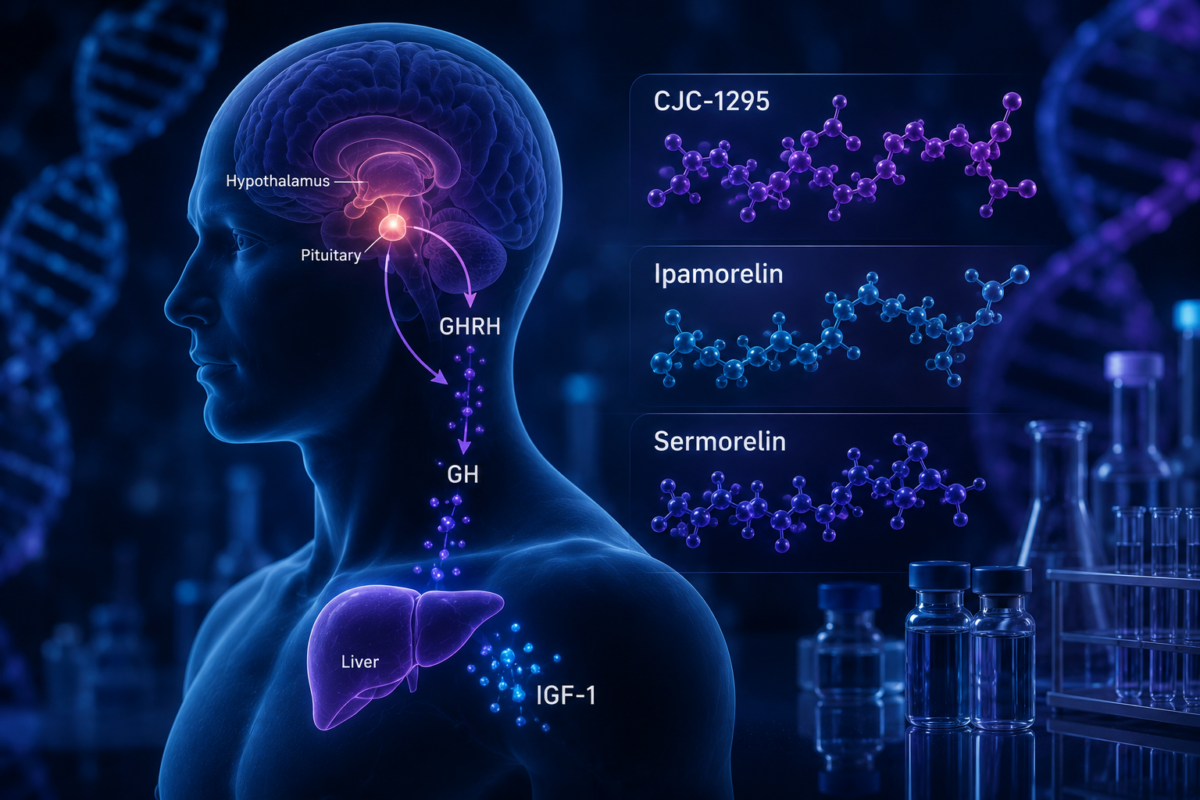
Understanding the GHRH Axis: CJC-1295, Ipamorelin, and Sermorelin in Research

The growth hormone releasing hormone (GHRH) axis represents one of the most well-characterised peptide signalling systems in endocrinol...
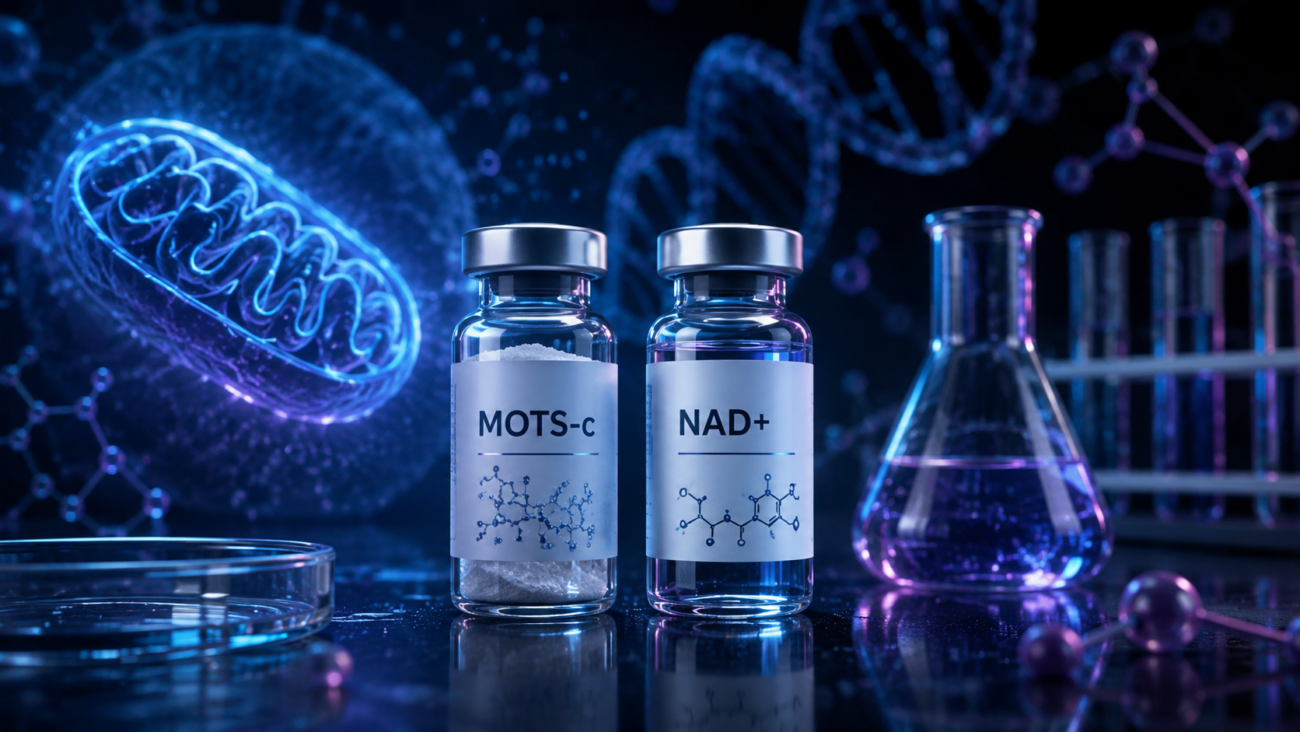
The Mitochondrial Peptide Frontier: MOTS-c and NAD+ in Longevity Research
The mitochondrion has long been understood as the primary site of cellular energy production. More recently, however, research has incr...

Reconstitution Fundamentals: A Researcher’s Protocol Guide
Reconstitution is the process of dissolving a lyophilised peptide powder in an appropriate solvent to produce a usable solution for res...
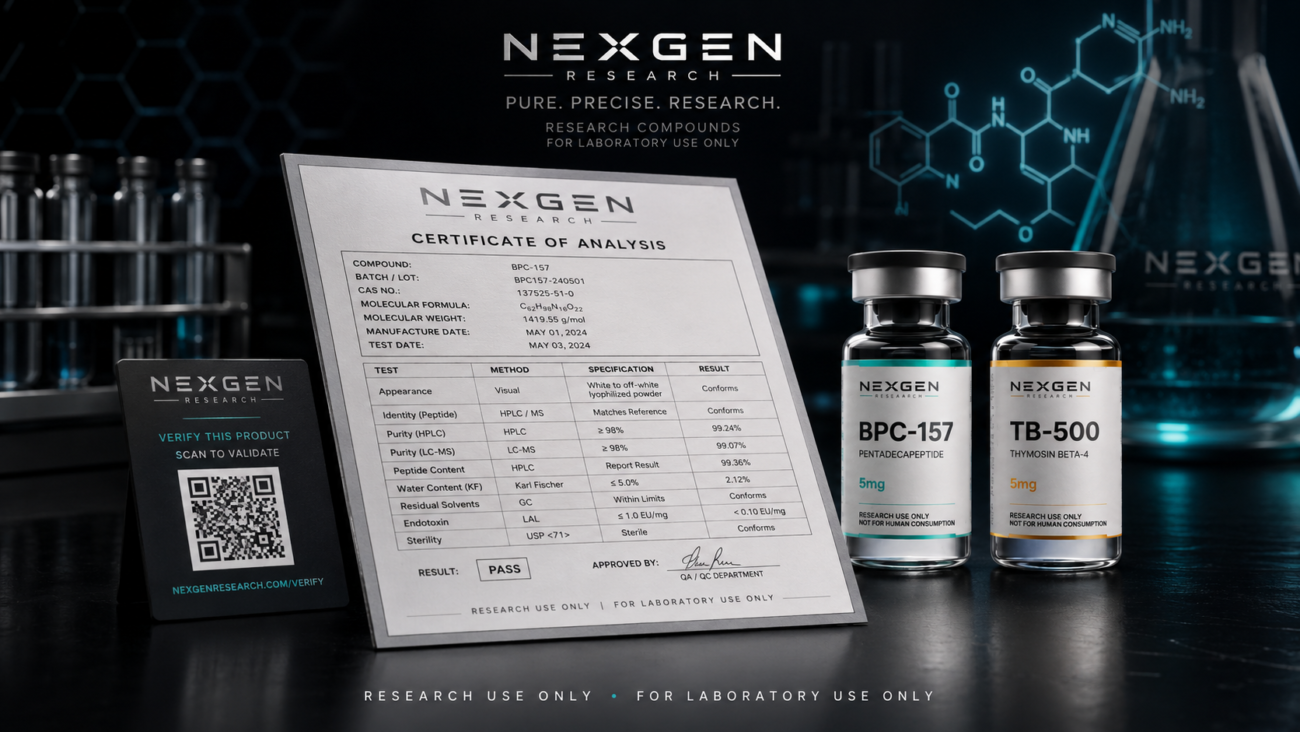
How to Read a Certificate of Analysis (COA)
A Certificate of Analysis (COA) is a critical document that verifies the quality, purity, and authenticity of a research compound. Unde...

Reconstitution Fundamentals for Research Compounds
Reconstitution is the process of dissolving lyophilised peptides into a liquid solution for research use. Proper technique is essential...
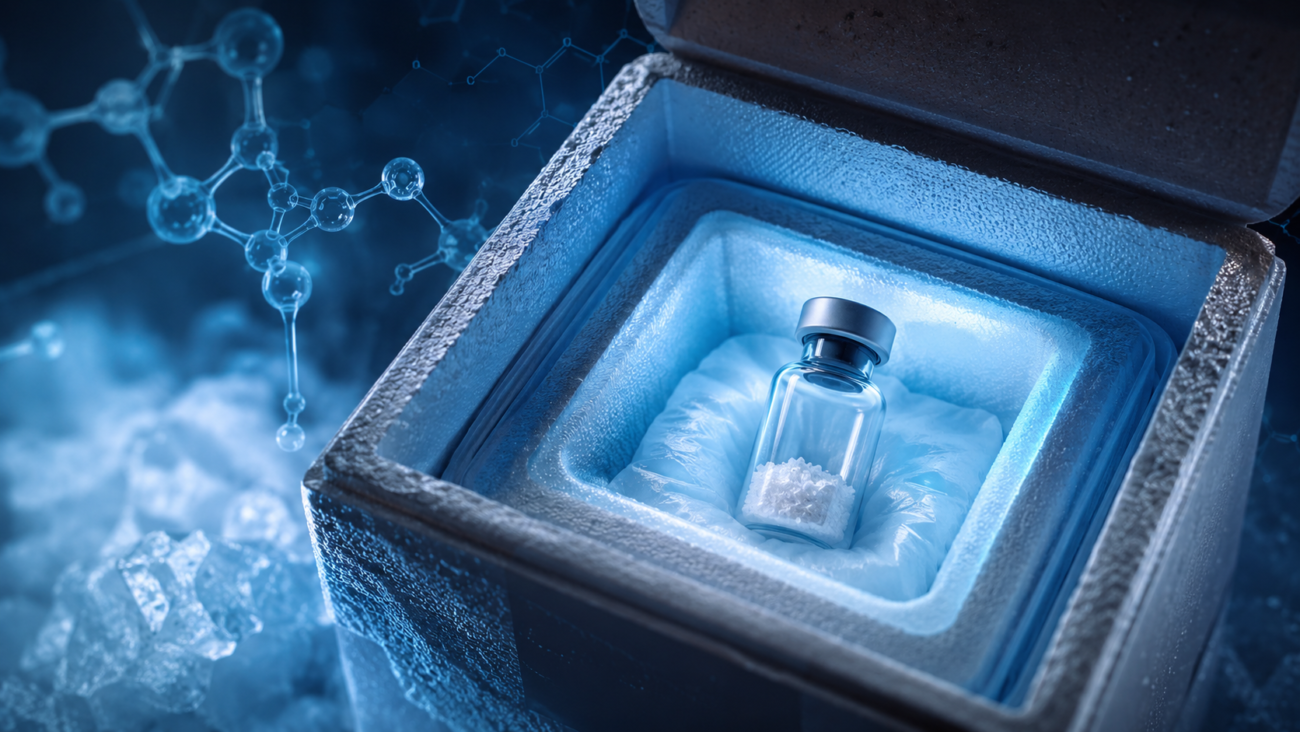
Peptide Stability – Why Cold-Chain Shipping Matters Category: Storage & Stability
Peptide stability is one of the most critical factors in maintaining research integrity. Improper storage or temperature fluctuations c...


